A missing tooth can affect how you eat, speak, and feel about your smile. Dental implants are a long-term option that can look and function like a natural tooth—but it’s important to understand the process and whether you’re suitable.
Here’s a clear guide.
What is a dental implant?
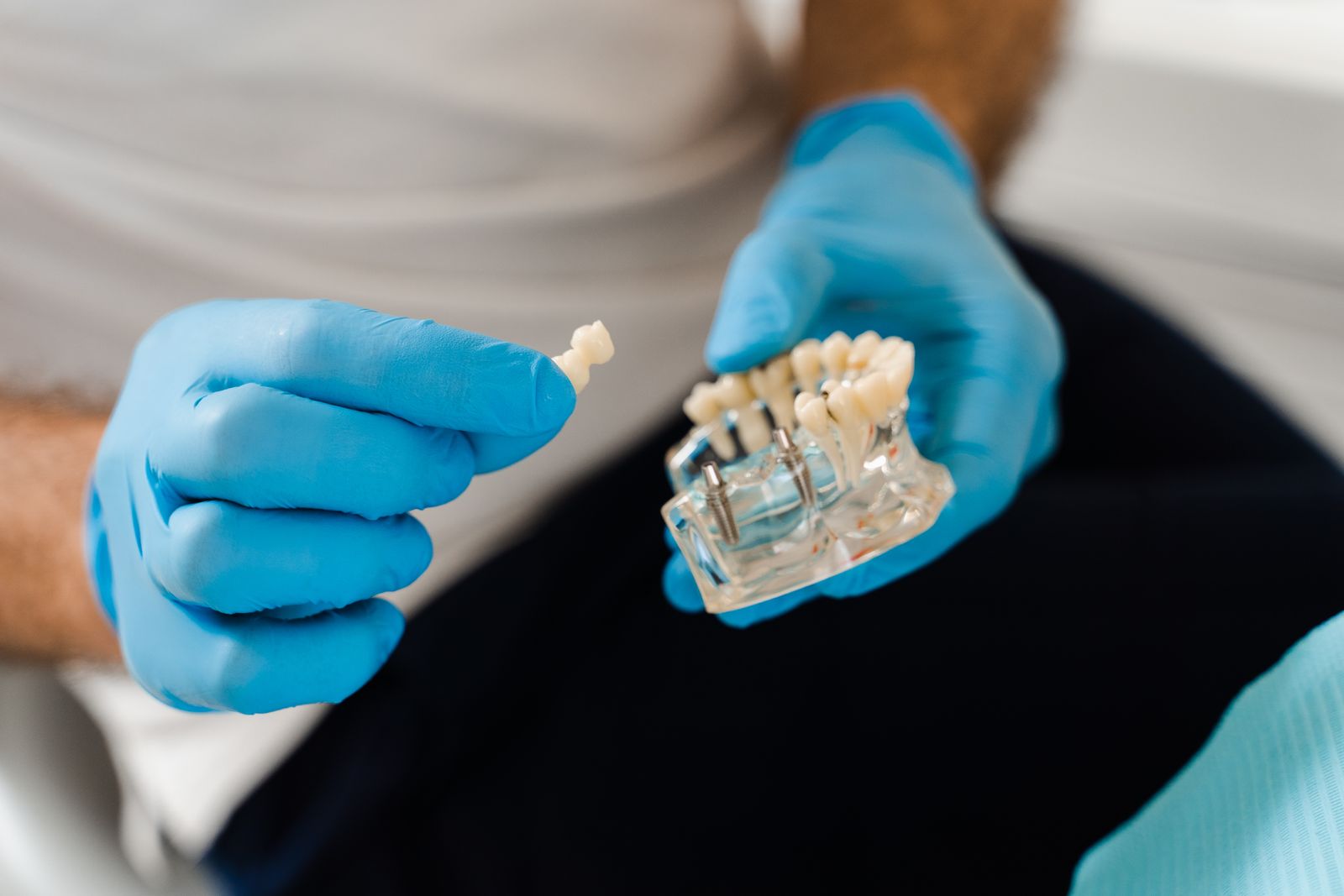
A dental implant is a small titanium (or titanium-alloy) post placed into the jawbone to act like a tooth root. Once healed, a connector (abutment) and a crown are fitted on top.
It’s designed to be:
- stable
- natural-looking
- long-lasting with good care
The typical implant journey (step-by-step)
1) Consultation and planning
This includes examination, imaging, gum health checks, and planning the final outcome.
2) Implant placement
A surgical appointment places the implant into the bone. Some cases allow an immediate temporary tooth, but many follow a staged plan.
3) Healing and integration
The implant integrates with the bone (osseointegration). Healing time varies by patient, bone quality, and site.
4) Crown fitting
Once stable, the final crown is fitted and bite is adjusted.
How long does it take?
A common range is 3–6 months from placement to final crown, but it can be shorter or longer depending on:
- whether extraction is needed
- bone volume and density
- if bone grafting/sinus lift is required
- overall health, smoking, and oral hygiene
Does it hurt?
Most people describe discomfort similar to (or less than) a tooth extraction. You’ll likely have:
- mild swelling for a few days
- some tenderness
- pain manageable with standard medication (as advised)
Who is suitable for implants?
Good candidates typically have:
- healthy gums
- adequate bone (or suitability for grafting)
- good oral hygiene habits
Implants can be less predictable if you have uncontrolled gum disease or heavy smoking habits (smoking significantly impacts healing).
Alternatives to implants
Bridge
A fixed option that uses neighbouring teeth for support.
- Pros: quicker, no surgery
- Cons: involves preparing adjacent teeth
Denture
A removable option for one or more missing teeth.
- Pros: lower initial cost
- Cons: can move, may feel bulky, ongoing adjustments
The best option depends on your bite, adjacent teeth, and budget.
How long do implants last?
Implants can last many years with:
- daily cleaning
- regular check-ups/hygiene
- managing gum inflammation early
The implant itself can be very durable; the crown may need replacement over time depending on wear.
If you’re considering implants, book a consultation and we’ll assess suitability, explain the full plan, and discuss alternatives clearly.