If you’ve been thinking about straightening your teeth but don’t love the idea of fixed braces, Invisalign is often the first option people ask about.
It’s discreet, removable, and planned digitally—but it’s not “one-size-fits-all”. Here’s what to expect and how to decide if it’s right for you.
How Invisalign works
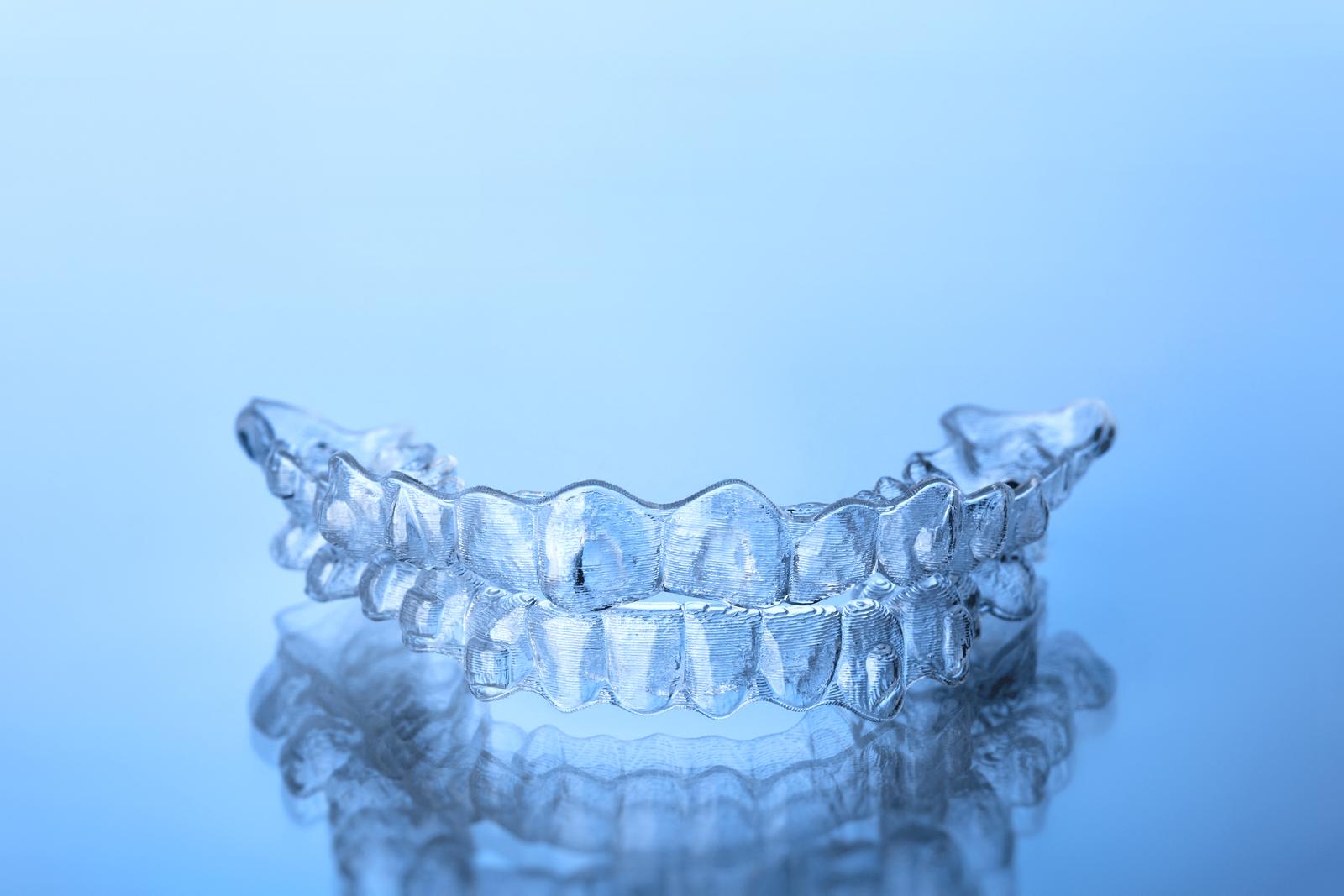
Invisalign uses a series of clear aligners that gently move teeth over time. Each set is worn for a period (commonly 1–2 weeks) before switching to the next.
Treatment is usually planned using a digital scan, which helps predict movement and show a likely end result.
Invisalign vs braces: the practical differences
Invisalign advantages
- aligners are clear and low-profile
- easier to clean teeth (no brackets/wires)
- removable for eating and important occasions
- typically fewer emergency appointments
Braces advantages
- can handle more complex movements in some cases
- no “wear-time discipline” needed
- may be more suitable for certain bites and rotations
Who is Invisalign suitable for?
Invisalign commonly works well for:
- mild to moderate crowding
- spacing issues
- relapsed movement after past braces
- many bite corrections (depending on severity)
A consultation determines whether your goals match what aligners can predictably achieve.
How long does Invisalign take?
Timelines vary, but typical ranges are:
- minor alignment: a few months
- moderate cases: 6–12 months
- more complex cases: 12–18+ months
The biggest factor (besides complexity) is wear time. Most patients are advised to wear aligners around 20–22 hours a day.
What affects cost?
Cost depends on:
- complexity and number of aligners
- whether refinements are expected
- attachments (small tooth-coloured grips)
- IPR (gentle enamel shaping) if needed
- retention plan after treatment
A proper quote follows your scan and treatment plan, not a guess.
Attachments, IPR, and refinements (the bits nobody explains well)
- Attachments: tiny tooth-coloured shapes that help aligners grip and move teeth more predictably
- IPR: very small enamel reduction between teeth to create space (safe when planned correctly)
- Refinements: extra aligners at the end if we want to perfect the result
These are normal parts of many successful cases.
After Invisalign: retention matters
Teeth naturally want to shift. Retainers keep your result stable.
Most retention plans include:
- a fixed retainer (thin wire behind teeth) and/or
- removable night retainers
If you want long-term straight teeth, retention isn’t optional—it’s the finish line.
Book an Invisalign consultation and we’ll scan your teeth, explain suitability, and map out a realistic timeline and retention plan.