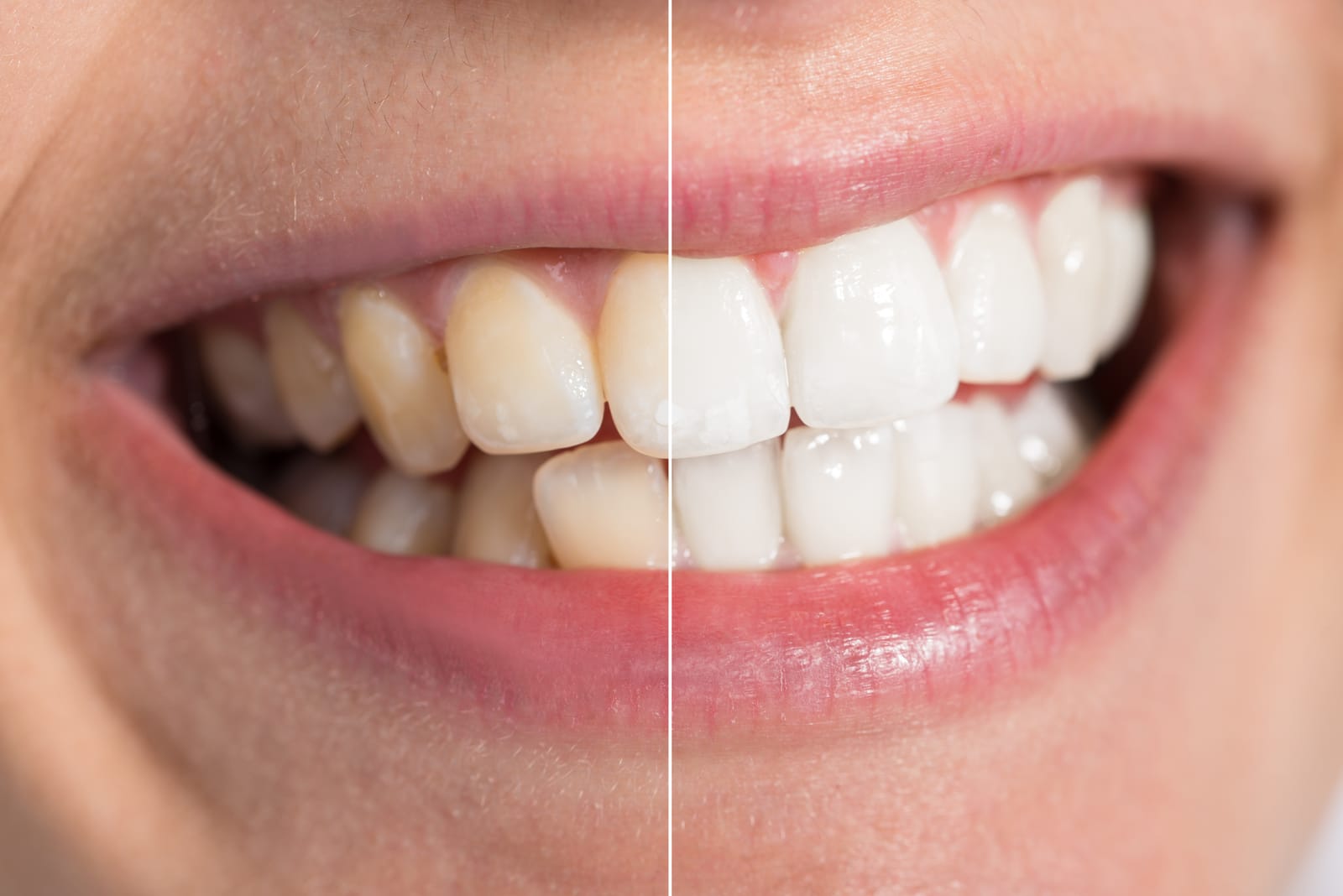
If you’re thinking about teeth whitening, you’ve probably seen everything from charcoal pastes to DIY kits online. Some can work a little, some do nothing, and a few can actually damage enamel or irritate gums.
Professional whitening is popular because it’s designed to be effective, controlled, and safe. Here’s what to know before you book.
Why teeth look darker over time
Tooth colour changes for two main reasons:
- Surface staining (extrinsic): tea, coffee, red wine, smoking, curry, and staining mouthwashes
- Internal colour change (intrinsic): ageing, past trauma, certain antibiotics, and natural enamel thinning
Surface stains can often be improved with hygiene visits and polishing, while internal colour typically needs whitening for a visible lift.
The main whitening options (and the real differences)
1) Professional home whitening (custom trays)
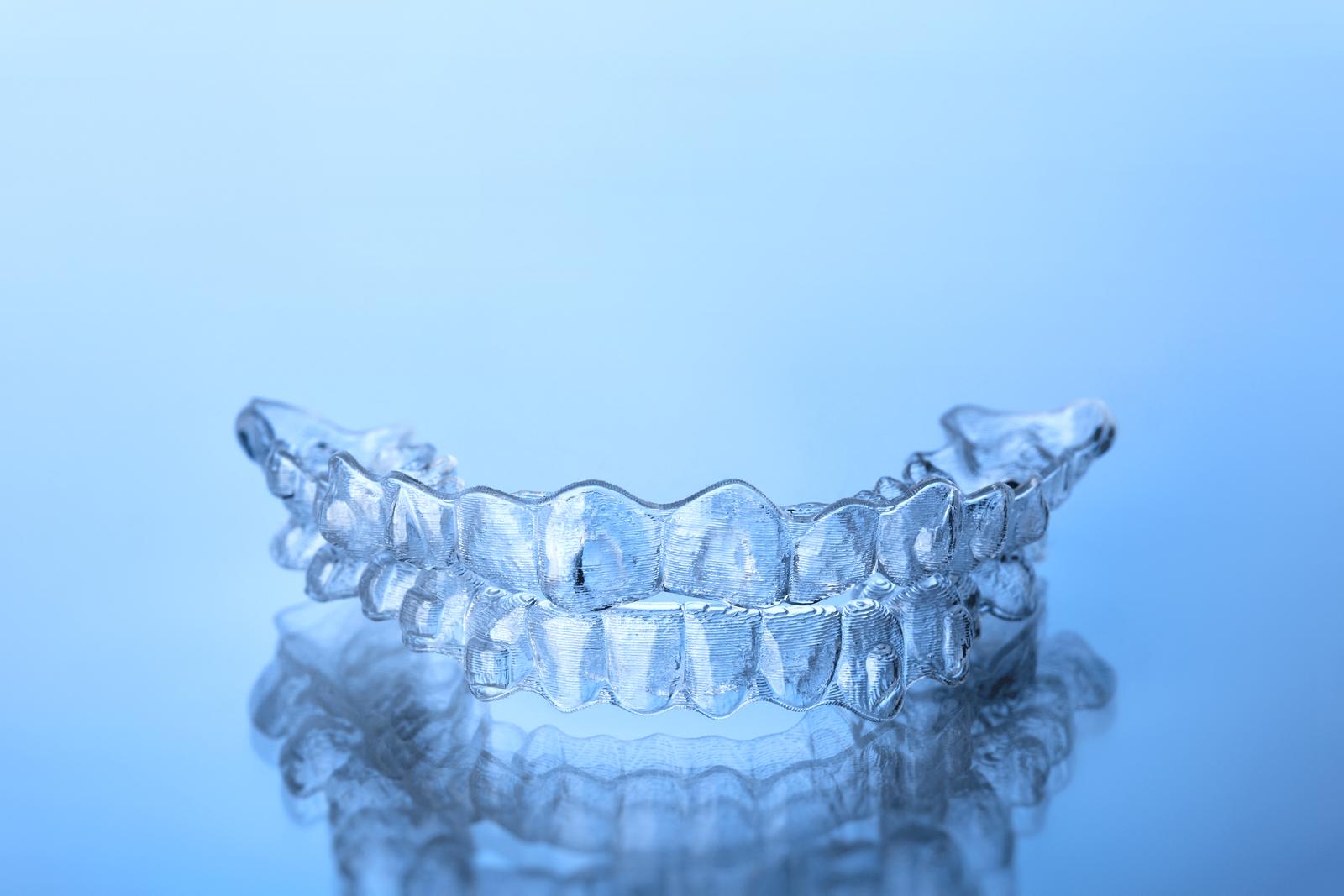
This is one of the most common and reliable methods. You’ll be fitted with custom trays and given professional-grade whitening gel to use at home over a set period.
- Pros: controlled, comfortable, gradual and natural-looking
- Cons: takes consistency (usually days to a couple of weeks)
2) In-practice whitening
This is carried out in the clinic, often with a higher-strength gel and close supervision.
- Pros: fast boost, ideal for specific timelines
- Cons: can cause temporary sensitivity; not always the best option for everyone
3) Off-the-shelf kits and “whitening strips”
Some can lighten slightly, but they’re not tailored to your teeth and may not spread evenly.
- Pros: cheap, accessible
- Cons: uneven results, gum irritation, weaker outcome
4) Toothpastes, powders, charcoal products
Most “whitening” toothpastes work by abrasion—polishing stains rather than whitening the tooth from within.
- Pros: can reduce surface stain
- Cons: can be too abrasive if overused; won’t meaningfully whiten intrinsic colour
Who is (and isn’t) suitable for whitening
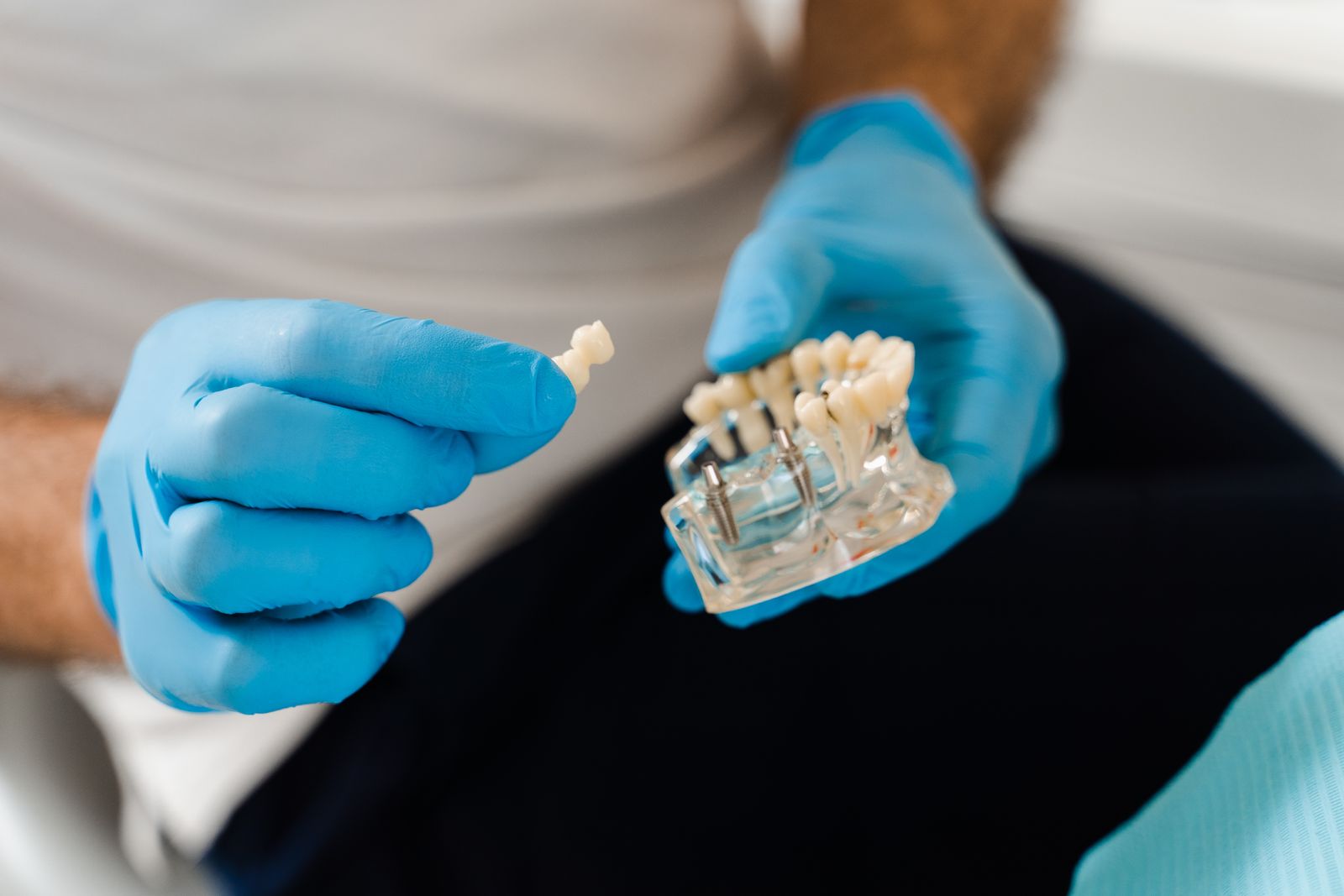
Whitening works best on natural teeth. It does not whiten fillings, crowns, veneers, or bonding, so if you have visible dental work on front teeth, we normally plan your whitening around future cosmetic work for a consistent shade.
You may need a check-up first if you have:
- untreated decay
- gum disease
- worn enamel or exposed roots
- significant sensitivity
How long do results last?
Most people see results last 6–24 months, depending on diet, smoking, oral hygiene, and whether you top up occasionally.
How to keep your teeth whiter for longer
- Reduce frequent staining drinks (or use a straw where appropriate)
- Rinse with water after tea/coffee/wine
- Avoid smoking (biggest staining factor)
- Keep up with hygiene appointments
- Use top-up gel occasionally (if provided/approved)
Sensitivity: what’s normal?
Mild sensitivity is common and usually temporary. We can often reduce it by:
- adjusting whitening strength
- changing wear time
- using desensitising products
- ensuring gums are healthy before whitening
A sensible next step
If you want a whiter smile that still looks natural, the best starting point is a check-up (and often a hygiene visit) to make sure your teeth and gums are healthy, then choosing a whitening approach that fits your timeline and sensitivity level.
If you’re considering professional teeth whitening, book a consultation and we’ll recommend the safest option for your teeth, with realistic expectations on shade and longevity.